山东股权设计:7个股权陷阱与6大合伙人模式深度解析
发布时间:2025-10-10 发布人:山东股章浏览次数:757次 来源:www.guquanzhanlue.com
一套合理的合伙人机制,胜过千万资金
A reasonable partnership mechanism is better than millions of funds
没有一套合伙人机制能够适合任何企业,也没有一套合伙人机制能够适合企业所有的发展阶段。如果墨守成规,一成不变,企业分崩离析也将只是时间问题。
No partnership mechanism can be suitable for any enterprise, nor can any partnership mechanism be suitable for all stages of enterprise development. If we stick to the old ways and remain unchanged, it will only be a matter of time before the enterprise falls apart.
一个完美的合伙人机制,并非是偶然形成的,而是经过深思熟虑和精心构建的结果。本文通过7个经典故事,揭示合伙人与股权的核心规则,帮您避开股权设计的那些“坑”。
A perfect partnership mechanism is not formed by chance, but the result of careful consideration and construction. This article reveals the core rules of partners and equity through 7 classic stories, helping you avoid the pitfalls of equity design.
故事1:按“出钱比例”分股?技术人才被严重低估
Story 1: Share distribution based on the 'money ratio'? Technical talents are severely underestimated
场景:老张出70万,老李(技术大牛)出30万创业做APP。老张说:“我出钱多,占70%股,你30%”。
Scenario: Lao Zhang offers 700000 yuan, and Lao Li (a tech expert) offers 300000 yuan to start a business and create an app. Lao Zhang said, 'I paid more money and hold 70% of the shares, you hold 30%.'.
问题:老李全职开发,老张只投钱不干活。产品上线后估值500万,老李发现自己的技术贡献只被定价30万。
Problem: Lao Li develops full-time, while Lao Zhang only invests money and does not work. After the product was launched, it was valued at 5 million yuan, but Lao Li found that his technical contribution was only priced at 300000 yuan.
股权真相:资金股+人力股必须分开计算!
Equity Truth: Capital stocks and human resources stocks must be calculated separately!
建议:资金占股≤30%,剩余按人力贡献分配(参考:全职CEO≈40%,CTO≈30%,销售合伙人≈20%)。华为早期就是采用“银股+身股”模式,有效激励了技术骨干。
Suggestion: Funds account for ≤ 30% of the shares, and the remaining will be distributed based on human resources contributions (reference: full-time CEO ≈ 40%, CTO ≈ 30%, sales partner ≈ 20%). Huawei initially adopted a "silver stock+body stock" model, which effectively incentivized its technical backbone.
故事2:股权平均分?真功夫内斗的惨痛教训
Story 2: Average Equity Score? The painful lesson of true kung fu infighting
场景:3个好友各出100万创业,每人33.3%。后来发生争论,谁也说服不了谁。
Scenario: Three friends each contribute 1 million yuan to start a business, with each contributing 33.3%. Later there was a dispute, and no one could convince anyone.
问题:重大决策需2/3通过,但两方互不妥协。公司瘫痪1年后清算。
Problem: Major decisions require 2/3 approval, but both sides do not compromise. The company was liquidated after a year of paralysis.
股权真相:避免50:50或33:33:34!必须有一个最终决策人。
Equity Truth: Avoid 50:50 or 33:33:34! There must be a final decision-maker.
补救:签《一致行动人协议》或《投票权委托协议》。真功夫蔡达标和潘宇海各占50%股权,最终导致公司陷入长期内斗,前车之鉴值得警惕。
Remedial measures: Sign the "Agreement for concerted action" or the "Voting Rights Delegation Agreement". True Kung Fu's Cai Guobiao and Pan Yuhai each hold 50% of the shares, which ultimately led to the company falling into a long-term internal struggle. The lessons from the past are worth being wary of.
故事3:兼职合伙占股?资源承诺不值钱
Story 3: Part time partnership holding shares? Resource commitments are not worth it
场景:小张承诺“介绍客户资源”换10%技术股,初期工商登记给了他。
Scenario: Xiao Zhang promised to "introduce customer resources" in exchange for 10% technology stocks, and the initial business registration was given to him.
结果:资源未兑现,但股权已给。融资时投资人要求清理,小张索要100万赎股。
Result: Resources have not been redeemed, but equity has been given. During the financing process, investors demanded clearance, and Xiao Zhang demanded 1 million yuan to redeem his shares.
股权真相:资源型/顾问型合伙人不给注册股!用虚拟股或分红权绑定。
Equity Truth: Resource based/advisory partners are not allowed to register shares! Bind with virtual stocks or dividend rights.
关键:设定成熟期(如4年)和考核条件(资源到位再兑现)。Facebook早期投资者萨维林因为贡献下降而被稀释股份,正是基于类似原则。
Key: Set a maturity period (such as 4 years) and assessment criteria (to be fulfilled once resources are available). Early Facebook investor Savilin's shares were diluted due to a decrease in contributions, based on similar principles.
故事4:未签退出协议--土豆网因离婚案错过上市最佳时机
Story 4: Failure to sign exit agreement - Tudou missed the best time to go public due to divorce case
场景:合伙人老李离婚,前妻根据《婚姻法》分走其名下18%股权,成为股东。
Scenario: Partner Lao Li divorces, and his ex-wife takes 18% of his equity under the Marriage Law, becoming a shareholder.
问题:前妻干涉经营,引进竞争对手。其他股东无法强制回购。
Problem: My ex-wife interfered with the business and introduced competitors. Other shareholders cannot force a repurchase.
股权真相:股东协议必须约定退出机制!
Equity Truth: The shareholder agreement must stipulate an exit mechanism!
条款示例:“婚姻变动时,配偶需放弃股权,由公司按估值回购”。土豆网创始人王微因离婚纠纷导致公司上市受阻,最终被优酷并购,业内由此诞生了“土豆条款”。
Example clause: "When there is a change in marriage, the spouse shall relinquish the equity and the company shall repurchase it based on the valuation. The founder of Tudou, Wang Wei, was blocked from going public due to a divorce dispute, and was eventually acquired by Youku, giving rise to the "Tudou Clause" in the industry.
故事5:投资人占股太高--俏江南易主的教训
Story 5: Investors holding too much stock - Lessons from the change of ownership in Qiaojiangnan
场景:天使轮让投资人占40%,A轮需再稀释20%。
Scenario: The angel round requires investors to account for 40%, while the A round needs to be further diluted by 20%.
结果:创始人股比降至32%,失去控制权。B轮领售权触发,公司被低价出售。
Result: The founder's equity ratio dropped to 32%, losing control. The B-round lead sale rights were triggered, and the company was sold at a low price.
股权真相:早期投资人单轮占股≤20%,创始人总股比融资后≥67%(绝对控制)→51%(相对控制)→34%(否决权)。
Equity Truth: Early investors hold ≤ 20% of the shares in a single round, and the founder's total shareholding ratio after financing is ≥ 67% (absolute control) → 51% (relative control) → 34% (veto power).
工具:AB股(创始人1股=10票)保控制权(京东/小米模式)。京东刘强东通过AB股结构在持股比例不足20%的情况下仍然牢牢掌握公司控制权。
Tool: AB shares (founder's 1 share=10 votes) to maintain control (JD/Xiaomi model). JD's Liu Qiangdong still firmly holds control of the company through the AB share structure, despite holding less than 20% of the shares.
故事6:员工代持股权--红星美凯龙的曲折上市路
Story 6: Employee Shareholding - Red Star Macalline's tortuous IPO journey
场景:为避税,创始人让员工代持15%股权。员工离职后声称:“股权是我的!”
Scenario: To avoid taxes, the founder asked employees to hold 15% equity on behalf of them. After leaving, the employee claimed, 'The equity belongs to me!'
问题:法律上员工是股东,创始人需举证代持。融资进程中止。
Problem: Legally, employees are shareholders, and founders need to provide evidence to support their holdings. The financing process has been suspended.
股权真相:禁止股权代持!用持股平台(有限合伙)集中管理。
Equity Truth: Prohibition of Proxy Holding of Equity! Centralized management through a shareholding platform (limited partnership).
有限合伙架构:创始人(GP)控制持股平台,员工做LP仅有分红权。红星美凯龙曾因早期员工代持问题导致上市进程一再延迟,历经曲折才最终上市。
Limited partnership structure: The founder (GP) controls the shareholding platform, and employees who work as LPs only have the right to receive dividends. Red Star Macalline's listing process was repeatedly delayed due to issues with early employee ownership, and it went through twists and turns before finally going public.
故事7:未预留期权池--联想早期股权激励的智慧
Story 7: Unsettled Option Pool - The Wisdom of Lenovo's Early Equity Incentives
场景:创业初期未设期权池,引进CTO时需给10%股。
Scenario: In the early stages of entrepreneurship, there is no option pool, and when introducing a CTO, 10% of the shares must be given.
结果:所有股东同比例稀释,早期合伙人不满。后续核心骨干无股可分。
Result: All shareholders were equally diluted, and early partners were dissatisfied. The subsequent core backbone has no shares to divide.
股权真相:融资前预留10-20%期权池。
Equity Truth: Reserve a 10-20% option pool before financing.
操作:创始股东同比稀释,或天使轮从原股中划出。联想早期就预留了大量期权,成功激励了众多技术人才和管理骨干,为日后发展奠定了坚实基础。
Operation: The founding shareholders are diluted year-on-year, or angel rounds are drawn from the original shares. Lenovo reserved a large number of options in the early stages, successfully motivating numerous technical talents and management backbones, laying a solid foundation for future development.
六大合伙人模式详解,一文讲透!
Detailed explanation of the six major partner models in one article!
1. SBU合伙共创模式(风险投资型)
1. SBU partnership co creation model (venture capital type)
核心规则:
Core rules:
建立独立核算的经营单元,实行市场化结算
Establish independent accounting business units and implement market-oriented settlement
三方出资:公司+合伙人+投资人组成有限合伙企业
Three party investment: the company, partners, and investors form a limited partnership enterprise
投资者享有5-20倍溢价权,经营团队优先分红
Investors enjoy a premium of 5-20 times, and the management team has priority in distributing dividends
设立明确的进入和退出机制,定期评估调整
Establish clear entry and exit mechanisms, and regularly evaluate and adjust them
经典案例:海尔"人单合一"模式
Classic case: Haier's "RenDanHeYi" model
海尔集团将8万员工划分为4000多个自主经营体,每个SBU独立核算、自负盈亏。员工可竞选"小微主",组建团队并吸引内外部投资。例如雷神科技团队最初只有3人,通过内部创业机制,获得海尔资源支持,3年内做到游戏本行业第一,最终登陆新三板。
Haier Group has divided its 80000 employees into over 4000 self operated entities, with each SBU independently accounting for its own profits and losses. Employees can run for "small and micro business owners", form teams, and attract internal and external investment. For example, the Thunder God Technology team initially had only three people. Through internal entrepreneurial mechanisms and the support of Haier resources, they achieved the top position in the gaming industry within three years and eventually landed on the New Third Board.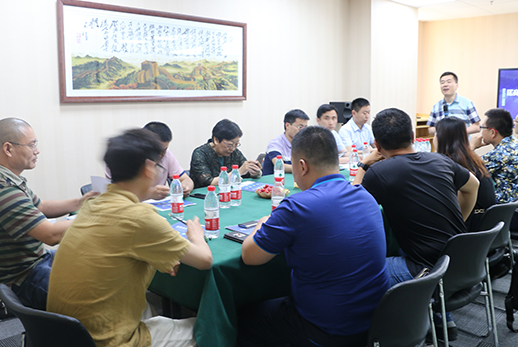
适用场景: 大型集团企业的内部创新、新业务孵化
Applicable scenarios: Internal innovation and new business incubation of large group enterprises
2. 小组制合伙人模式(内部交易型)
2. Group partnership model (internal transaction type)
核心规则:
Core rules:
按业务流程划分价值创造环节,明确各环节贡献值
Divide value creation stages according to business processes and clarify the contribution value of each stage
建立内部交易机制,实行市场化结算
Establish an internal trading mechanism and implement market-oriented settlement
利润按贡献度分配,通常采用"基础分配+超额奖励"模式
Profit is distributed according to contribution, usually using the "basic distribution+excess reward" model
设立成本核算标准,严格控制各环节成本
Establish cost accounting standards and strictly control the costs of each link
经典案例:韩都衣舍小组制
Classic case: Handu Clothing House group system
韩都衣舍将公司划分为300多个"产品小组",每个小组由设计师、页面制作、库存管理3人组成。小组自主决定款式、库存和促销,公司提供供应链、财务等平台支持。小组获得毛利润的30%作为奖励,其中组长分配比例最高。这一模式使韩都衣舍保持了年均100%以上的增长率。
Handu Clothing divides the company into over 300 "product teams", each consisting of three people: designers, page makers, and inventory managers. The group independently decides on styles, inventory, and promotions, while the company provides platform support such as supply chain and finance. The group receives 30% of the gross profit as a reward, with the group leader having the highest allocation ratio. This model has kept the annual growth rate of Handu Yishe above 100%.
适用场景: 创意类、研发类、服务类企业
Applicable scenarios: Creative, R&D, and service enterprises
3. 项目跟投合伙人模式(跟投合伙型)
3. Project co investment partner model (co investment partnership type)
核心规则:
Core rules:
营销人员强制跟投,共享收益共担风险
Marketing personnel are forced to follow and share profits and risks
采用"固定比例+浮动分红"的收益结构
Adopting a "fixed ratio+floating dividend" income structure
建立透明的成本核算体系
Establish a transparent cost accounting system
设置退出机制和风险控制措施
Establish exit mechanisms and risk control measures
经典案例:龙湖地产跟投机制
Classic case: Longfor Real Estate's follow-up investment mechanism
龙湖地产要求项目团队必须跟投项目总额的1-3%,同时向其他员工开放跟投额度。跟投人员享受项目利润的20%作为分红,其中项目团队优先分配。这一机制实施后,龙湖项目的平均利润率提升约5个百分点,员工离职率下降30%。
Longfor Real Estate requires project teams to invest 1-3% of the total project amount, while also opening up the investment quota to other employees. Follow up personnel enjoy 20% of project profits as dividends, with priority given to the project team. After the implementation of this mechanism, the average profit margin of the Longfor project increased by about 5 percentage points, and the employee turnover rate decreased by 30%.
适用场景: 房地产、咨询、项目制企业
Applicable scenarios: real estate, consulting, project-based enterprises
4. 专家合伙人模式(虚拟股权型)
4. Expert partner model (virtual equity type)
核心规则:
Core rules:
根据专家等级设定不同的分红权比例
Set different dividend rights ratios based on expert levels
设置股权成熟期和考核条件
Set the maturity period and assessment criteria for equity
采用"虚拟股+分红权"的组合激励
Adopting a combination incentive of "virtual stocks+dividend rights"
建立专家评级体系和晋升机制
Establish an expert rating system and promotion mechanism
经典案例:华为专家激励体系
Classic case: Huawei Expert Incentive System
华为将专家分为22个等级,每个等级对应不同的虚拟股配额和分红比例。顶尖专家可享受数千万的虚拟股配置,每年获得可观分红。同时设置4年成熟期,要求专家持续输出价值。这一机制帮助华为吸引了数百名世界级专家,包括5G领域的国际顶尖人才。
Huawei divides experts into 22 levels, each corresponding to different virtual stock quotas and dividend ratios. Top experts can enjoy millions of virtual stock allocations and receive substantial dividends every year. Simultaneously set a maturity period of 4 years and require experts to continuously output value. This mechanism has helped Huawei attract hundreds of world-class experts, including top international talents in the 5G field.
适用场景: 技术密集型、研发驱动型企业
Applicable scenarios: Technology intensive and R&D driven enterprises
5. 事业合伙人模式(增量分红型)
5. Business partner model (incremental dividend type)
核心规则:
Core rules:
以增量利润为核心考核指标
Taking incremental profit as the core assessment indicator
采用"基本收益+超额分红"的分配模式
Adopting the distribution model of "basic income+excess dividends"
建立科学的岗位价值评估体系
Establish a scientific job value evaluation system
设置中长期激励措施,避免短期行为
Set medium to long-term incentive measures to avoid short-term behavior
经典案例:万科事业合伙人制度
Classic case: Vanke Business Partner System
万科在2014年推出事业合伙人制度,包括股票认购和项目跟投两部分。1300多名核心员工组建合伙制企业,集体出资50多亿元购买公司股票。同时对新开发项目强制跟投,员工收益率与项目IRR直接挂钩。这一制度使万科在行业调整期保持了稳定的业绩增长。
Vanke launched a business partnership system in 2014, which includes two parts: stock subscription and project co investment. More than 1300 core employees formed a partnership enterprise and collectively invested over 5 billion yuan to purchase company stocks. At the same time, mandatory follow-up investment is required for new development projects, and the employee rate of return is directly linked to the project's IRR. This system has enabled Vanke to maintain stable performance growth during the industry adjustment period.
适用场景: 成熟期企业、上市公司
Applicable scenarios: Mature enterprises, listed companies
6. 创业合伙人模式(实股注册型)
6. Entrepreneurial Partner Model (Real Stock Registration Type)
核心规则:
Core rules:
明确出资额和股权比例,依法进行工商登记
Clearly define the amount of capital contribution and equity ratio, and carry out business registration in accordance with the law
设立合理的董事会决策机制
Establish a reasonable decision-making mechanism for the board of directors
预留10-20%的期权池用于后续激励
Reserve 10-20% of the option pool for future incentives
设置股权成熟条件和退出机制
Establish mature equity conditions and exit mechanisms
经典案例:芬尼克斯裂变式创业
Classic Case: Fenix Fission Entrepreneurship
芬尼克斯鼓励员工内部创业,公司投资占新项目60%股份,创业团队出资占40%。通过内部创业大赛,全体员工投票决定公司投资哪个项目。成功孵化了净水器、热水器等多个新业务,其中裂变出来的芬尼克斯净水已成长为行业头部品牌。
Fenix encourages employees to start their own businesses internally, with the company investing 60% of the shares in new projects and the entrepreneurial team contributing 40%. Through an internal entrepreneurship competition, all employees vote to decide which project the company will invest in. Successfully incubated multiple new businesses such as water purifiers and water heaters, among which Fenix Water Purification has grown into a leading brand in the industry.
适用场景: 内部创业、转型升级期企业
Applicable scenarios: Internal entrepreneurship, enterprises in the period of transformation and upgrading
雇佣时代已经过去,合伙人时代已经到来!得合伙人,得天下!
The era of employment has passed, and the era of partnership has arrived! Having partners, having the world!
本文由 山东股权设计 友情奉献.更多有关的知识请点击 http://www.guquanzhanlue.com/ 真诚的态度.为您提供为全面的服务.更多有关的知识我们将会陆续向大家奉献.敬请期待.
This article is a friendly contribution from Shandong Equity Design For more related knowledge, please click http://www.guquanzhanlue.com/ Sincere attitude To provide you with comprehensive services We will gradually contribute more relevant knowledge to everyone Coming soon.
股权知识推荐

联系方式
电话:13698613138
电话:13698613138
地址:济南市高新区新泺大街1666号齐盛广场2号楼1306-2