济南股权顶层架构设计的复合视角:股权激励是战略、管理与财务的交叉工具
发布时间:2025-10-08 发布人:山东股章浏览次数:685次 来源:www.guquanzhanlue.com
作为战略工具:我们需要管组企业的 “价值创造方向”
As a strategic tool, we need to manage the 'value creation direction' of the organization
股权激励的分配逻辑,本质上是企业战略的 “价值宣言”—— 向哪些岗位倾斜,去考核哪些指标,直接反映了企业 “未来想靠什么赚钱”,给了员工一个指向标。
The distribution logic of equity incentives is essentially a "value declaration" of corporate strategy - which positions to lean towards and which indicators to assess, directly reflecting the company's "future profitability" and providing employees with a guiding standard.
例如,同样是手机企业,华为的股权激励向研发团队倾斜(研发人员占比超过 45%),考核指标包括 “5G 专利数”“芯片良率”,这与其 “技术驱动” 的战略一致;而小米的股权激励则兼顾研发与生态链团队,将 “IoT 设备连接数”“生态链企业营收” 纳入考核,呼应其 “手机 +生态链” 的战略。
For example, as a mobile phone company, Huawei's equity incentives are tilted towards its R&D team (with R&D personnel accounting for over 45%), and assessment indicators include "5G patent count" and "chip yield rate", which is consistent with its "technology driven" strategy; Xiaomi's equity incentives take into account both R&D and ecological chain teams, incorporating "IoT device connectivity" and "ecological chain enterprise revenue" into the assessment, in line with its "mobile phone+ecological chain" strategy.
一个企业要设计股权激励时,第一步首先要明确未来是想要做什么?未来三到五年内我们的核心优势是什么?假如说我们的战略是 “成为细分市场第一”,则考核 “市场份额”;若战略是 “打造高毛利产品”,则考核 “毛利率提升”的指标;若战略是 “数字化转型”,则需要重点激励IT 团队。
When a company wants to design equity incentives, the first step is to clarify what it wants to do in the future? What are our core strengths in the next three to five years? If our strategy is to "become the first in the segmented market", then evaluate "market share"; If the strategy is to "create high gross profit products", then evaluate the indicator of "gross profit margin improvement"; If the strategy is' digital transformation ', it is necessary to focus on motivating the IT team.
作为管理工具:解决 “委托 - 代理” 难题
As a management tool: solving the "delegation agency" problem
现代很多企业在发展中的核心矛盾是 “所有权与经营权不同目标” 例如股东希望企业长期增值,管理者可能为了短期收益追求业绩;总部希望资源协同,部门可能各自为战。股权激励通过 “利益绑定”,让股东和管理层目标一致。
The core contradiction in the development of many modern enterprises is that "ownership and management rights have different goals". For example, shareholders hope that the enterprise can increase its value in the long run, while managers may pursue performance for short-term gains; The headquarters hopes for resource coordination, while departments may work independently. Equity incentives align the goals of shareholders and management through "interest binding".
某连锁酒店集团曾面临 “总部想提升服务质量,店长却只想压缩成本” 的矛盾。通过向店长授予 “客户复购率 + 利润” 双指标的股权激励后,店长开始主动投入培训员工、升级设施,客户满意度提升 20%,利润反而增长 15%。这正是股权激励解决 “目标错位” 的典型案例。
A certain chain hotel group once faced the contradiction of "headquarters wanting to improve service quality, but store managers only want to reduce costs". After granting the store manager a dual indicator equity incentive of "customer repurchase rate+profit", the store manager began to actively invest in training employees and upgrading facilities, resulting in a 20% increase in customer satisfaction and a 15% increase in profits. This is a typical case of equity incentives solving the problem of "target misalignment".
有效的股权激励管理,需要建立 “授予 - 考核 - 解锁 - 退出” 的全流程机制:授予时明确 “为什么给”,考核时确保 “标准公平,目标一致”,解锁时强化 “价值感知”,退出时保障 “规则清晰”。
Effective equity incentive management requires the establishment of a full process mechanism of "grant assessment unlock exit": clear "why give" when granting, ensure "fair standards and consistent goals" during assessment, strengthen "value perception" when unlocking, and ensure "clear rules" when exiting.
作为财务工具:平衡 “短期成本” 与 “长期价值”
As a financial tool: balancing "short-term costs" and "long-term value"
从财务视角看,股权激励是一种 “特殊的薪酬成本”—— 它不像工资需要即时支付现金,却可能在未来产生巨大的股份支付费用(尤其对上市公司);它不会直接增加当期利润,却可能通过激发团队动力间接提升盈利。
From a financial perspective, equity incentives are a "special compensation cost" - unlike salaries that require immediate cash payment, they may generate significant share based payment expenses in the future (especially for listed companies); It will not directly increase current profits, but may indirectly improve profits by stimulating team motivation.
非上市公司可通过 “虚拟股权”“超额分红” 等方式,将激励成本与当期利润挂钩,避免现金流压力;以财务的视角,上市公司则需在 “激励效果” 与 “股份支付费用对利润的影响” 之间平衡 —— 例如,某科创板公司选择 “限制性股票” 而非 “期权”,因为前者的股份支付费用分摊更均匀,对利润波动影响更小。
Non listed companies can link incentive costs with current profits through methods such as "virtual equity" and "excess dividends" to avoid cash flow pressure; From a financial perspective, listed companies need to balance the "incentive effect" and the "impact of share based payment expenses on profits" - for example, a certain Sci Tech Innovation Board company chooses "restricted stocks" instead of "options" because the former's share based payment expenses are more evenly distributed and have a smaller impact on profit fluctuations.
此外,股权激励还可优化企业的 “资本结构”:初创企业用股权替代现金支付,降低资产负债率;成熟期企业通过员工持股计划回购股份,稳定股价并提升每股收益。
In addition, equity incentives can also optimize the "capital structure" of enterprises: start-ups use equity instead of cash payments to reduce asset liability ratios; Mature enterprises repurchase shares through employee stock ownership plans to stabilize stock prices and increase earnings per share.
股权激励:从 “被动留人” 到 “主动增长”
Equity incentives: from 'passive retention' to 'active growth'
重新理解股权激励,需要跳出 “人力资源管理技巧” 的狭隘视角,将其视为企业撬动增长的 “战略杠杆”。它不是上市后的 “标配动作”,也不是资金充裕时的 “福利发放”,而是从初创期就应规划的 “价值分配机制”—— 通过公开明确 “谁创造价值、如何创造价值、价值如何分配”,让核心人才有了明确的奋斗方向,选择与企业形成 “共生共赢” 的生态。让员工真真正正与企业在一条船上,有劲往一块使,就像船长与水手,一起乘风破浪披荆斩棘,当暴风雨来临的时候也共同努力走出困境,一荣俱荣,一损俱损。
To re understand equity incentives, it is necessary to break away from the narrow perspective of "human resource management skills" and view them as a "strategic lever" for enterprises to leverage growth. It is not a "standard action" after going public, nor is it a "welfare distribution" when funds are abundant, but a "value distribution mechanism" that should be planned from the start-up stage - by publicly clarifying "who creates value, how to create value, and how to distribute value", core talents have a clear direction of struggle and choose to form a "symbiotic and win-win" ecology with the enterprise. Let employees truly be on the same boat with the company, working together with determination, like a captain and sailor, braving the wind and waves together, and working together to overcome difficulties when storms come, achieving mutual prosperity and mutual loss.
本文由 济南股权顶层架构设计 友情奉献.更多有关的知识请点击 http://www.guquanzhanlue.com/ 真诚的态度.为您提供为全面的服务.更多有关的知识我们将会陆续向大家奉献.敬请期待.v
This article is a friendly contribution from the top-level equity structure design of Jinan For more related knowledge, please click http://www.guquanzhanlue.com/ Sincere attitude To provide you with comprehensive services We will gradually contribute more relevant knowledge to everyone Coming soon. v作为战略工具:我们需要管组企业的 “价值创造方向”
As a strategic tool, we need to manage the 'value creation direction' of the organization
股权激励的分配逻辑,本质上是企业战略的 “价值宣言”—— 向哪些岗位倾斜,去考核哪些指标,直接反映了企业 “未来想靠什么赚钱”,给了员工一个指向标。
The distribution logic of equity incentives is essentially a "value declaration" of corporate strategy - which positions to lean towards and which indicators to assess, directly reflecting the company's "future profitability" and providing employees with a guiding standard.
例如,同样是手机企业,华为的股权激励向研发团队倾斜(研发人员占比超过 45%),考核指标包括 “5G 专利数”“芯片良率”,这与其 “技术驱动” 的战略一致;而小米的股权激励则兼顾研发与生态链团队,将 “IoT 设备连接数”“生态链企业营收” 纳入考核,呼应其 “手机 +生态链” 的战略。
For example, as a mobile phone company, Huawei's equity incentives are tilted towards its R&D team (with R&D personnel accounting for over 45%), and assessment indicators include "5G patent count" and "chip yield rate", which is consistent with its "technology driven" strategy; Xiaomi's equity incentives take into account both R&D and ecological chain teams, incorporating "IoT device connectivity" and "ecological chain enterprise revenue" into the assessment, in line with its "mobile phone+ecological chain" strategy.
一个企业要设计股权激励时,第一步首先要明确未来是想要做什么?未来三到五年内我们的核心优势是什么?假如说我们的战略是 “成为细分市场第一”,则考核 “市场份额”;若战略是 “打造高毛利产品”,则考核 “毛利率提升”的指标;若战略是 “数字化转型”,则需要重点激励IT 团队。
When a company wants to design equity incentives, the first step is to clarify what it wants to do in the future? What are our core strengths in the next three to five years? If our strategy is to "become the first in the segmented market", then evaluate "market share"; If the strategy is to "create high gross profit products", then evaluate the indicator of "gross profit margin improvement"; If the strategy is' digital transformation ', it is necessary to focus on motivating the IT team.
作为管理工具:解决 “委托 - 代理” 难题
As a management tool: solving the "delegation agency" problem
现代很多企业在发展中的核心矛盾是 “所有权与经营权不同目标” 例如股东希望企业长期增值,管理者可能为了短期收益追求业绩;总部希望资源协同,部门可能各自为战。股权激励通过 “利益绑定”,让股东和管理层目标一致。
The core contradiction in the development of many modern enterprises is that "ownership and management rights have different goals". For example, shareholders hope that the enterprise can increase its value in the long run, while managers may pursue performance for short-term gains; The headquarters hopes for resource coordination, while departments may work independently. Equity incentives align the goals of shareholders and management through "interest binding".
某连锁酒店集团曾面临 “总部想提升服务质量,店长却只想压缩成本” 的矛盾。通过向店长授予 “客户复购率 + 利润” 双指标的股权激励后,店长开始主动投入培训员工、升级设施,客户满意度提升 20%,利润反而增长 15%。这正是股权激励解决 “目标错位” 的典型案例。
A certain chain hotel group once faced the contradiction of "headquarters wanting to improve service quality, but store managers only want to reduce costs". After granting the store manager a dual indicator equity incentive of "customer repurchase rate+profit", the store manager began to actively invest in training employees and upgrading facilities, resulting in a 20% increase in customer satisfaction and a 15% increase in profits. This is a typical case of equity incentives solving the problem of "target misalignment".
有效的股权激励管理,需要建立 “授予 - 考核 - 解锁 - 退出” 的全流程机制:授予时明确 “为什么给”,考核时确保 “标准公平,目标一致”,解锁时强化 “价值感知”,退出时保障 “规则清晰”。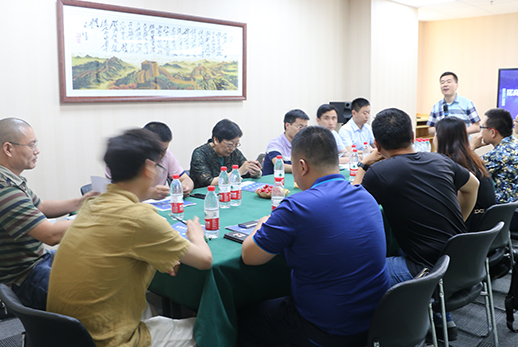
Effective equity incentive management requires the establishment of a full process mechanism of "grant assessment unlock exit": clear "why give" when granting, ensure "fair standards and consistent goals" during assessment, strengthen "value perception" when unlocking, and ensure "clear rules" when exiting.
作为财务工具:平衡 “短期成本” 与 “长期价值”
As a financial tool: balancing "short-term costs" and "long-term value"
从财务视角看,股权激励是一种 “特殊的薪酬成本”—— 它不像工资需要即时支付现金,却可能在未来产生巨大的股份支付费用(尤其对上市公司);它不会直接增加当期利润,却可能通过激发团队动力间接提升盈利。
From a financial perspective, equity incentives are a "special compensation cost" - unlike salaries that require immediate cash payment, they may generate significant share based payment expenses in the future (especially for listed companies); It will not directly increase current profits, but may indirectly improve profits by stimulating team motivation.
非上市公司可通过 “虚拟股权”“超额分红” 等方式,将激励成本与当期利润挂钩,避免现金流压力;以财务的视角,上市公司则需在 “激励效果” 与 “股份支付费用对利润的影响” 之间平衡 —— 例如,某科创板公司选择 “限制性股票” 而非 “期权”,因为前者的股份支付费用分摊更均匀,对利润波动影响更小。
Non listed companies can link incentive costs with current profits through methods such as "virtual equity" and "excess dividends" to avoid cash flow pressure; From a financial perspective, listed companies need to balance the "incentive effect" and the "impact of share based payment expenses on profits" - for example, a certain Sci Tech Innovation Board company chooses "restricted stocks" instead of "options" because the former's share based payment expenses are more evenly distributed and have a smaller impact on profit fluctuations.
此外,股权激励还可优化企业的 “资本结构”:初创企业用股权替代现金支付,降低资产负债率;成熟期企业通过员工持股计划回购股份,稳定股价并提升每股收益。
In addition, equity incentives can also optimize the "capital structure" of enterprises: start-ups use equity instead of cash payments to reduce asset liability ratios; Mature enterprises repurchase shares through employee stock ownership plans to stabilize stock prices and increase earnings per share.
股权激励:从 “被动留人” 到 “主动增长”
Equity incentives: from 'passive retention' to 'active growth'
重新理解股权激励,需要跳出 “人力资源管理技巧” 的狭隘视角,将其视为企业撬动增长的 “战略杠杆”。它不是上市后的 “标配动作”,也不是资金充裕时的 “福利发放”,而是从初创期就应规划的 “价值分配机制”—— 通过公开明确 “谁创造价值、如何创造价值、价值如何分配”,让核心人才有了明确的奋斗方向,选择与企业形成 “共生共赢” 的生态。让员工真真正正与企业在一条船上,有劲往一块使,就像船长与水手,一起乘风破浪披荆斩棘,当暴风雨来临的时候也共同努力走出困境,一荣俱荣,一损俱损。
To re understand equity incentives, it is necessary to break away from the narrow perspective of "human resource management skills" and view them as a "strategic lever" for enterprises to leverage growth. It is not a "standard action" after going public, nor is it a "welfare distribution" when funds are abundant, but a "value distribution mechanism" that should be planned from the start-up stage - by publicly clarifying "who creates value, how to create value, and how to distribute value", core talents have a clear direction of struggle and choose to form a "symbiotic and win-win" ecology with the enterprise. Let employees truly be on the same boat with the company, working together with determination, like a captain and sailor, braving the wind and waves together, and working together to overcome difficulties when storms come, achieving mutual prosperity and mutual loss.
本文由 济南股权顶层架构设计 友情奉献.更多有关的知识请点击 http://www.guquanzhanlue.com/ 真诚的态度.为您提供为全面的服务.更多有关的知识我们将会陆续向大家奉献.敬请期待.v
This article is a friendly contribution from the top-level equity structure design of Jinan For more related knowledge, please click http://www.guquanzhanlue.com/ Sincere attitude To provide you with comprehensive services We will gradually contribute more relevant knowledge to everyone Coming soon. v
股权知识推荐

联系方式
电话:13698613138
电话:13698613138
地址:济南市高新区新泺大街1666号齐盛广场2号楼1306-2